The Liturgical Year
The annual cycle of the Church's worship — a sacred rhythm of seasons that unfolds the whole mystery of Christ, from His coming to His return.
One year, seven seasons
The Church's year is not a calendar but a living circle. Each turn returns us to the same mystery of Christ, deepened by every passing year.
The Liturgical Year
A cycle of grace
Moving clockwise from Advent at the top, the wheel traces the unfolding of salvation — expectation, Incarnation, ordinary growth, penance, Passion, Resurrection, and the unfolding life of the Church in the Spirit.
Hover or tap a season to explore

Advent
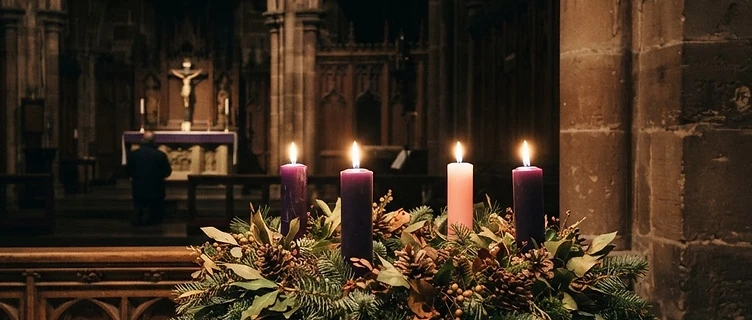
Liturgical colour: Violet & Rose
Why it matters
Advent opens the Church's year and calls us to watchful hope. It is a season of longing, a holy tension between the already and the not yet — Christ has come, Christ will come again.
Synopsis
Beginning on the Sunday nearest to 30 November, Advent is a four-week season of preparation for the coming (adventus) of Christ: His birth at Bethlehem, His coming into our hearts now, and His return in glory. The violet of the vestments speaks of penance and expectation; Rose (Gaudete) is worn on the third Sunday as a note of joy. We read the prophets, hear John the Baptist cry in the wilderness, and trace the Annunciation to Mary.

Christmas
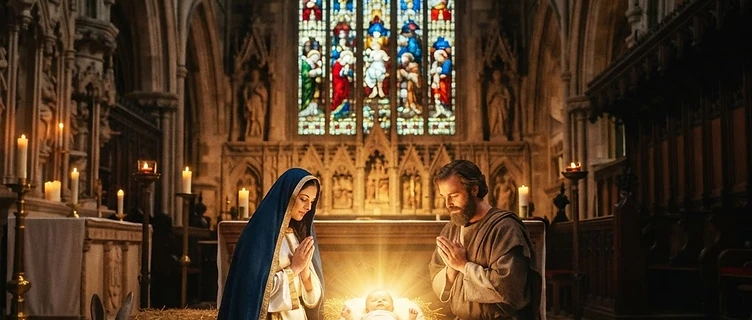
Liturgical colour: White & Gold
Why it matters
Christmas is the feast of the Incarnation — the Word made flesh. It declares that God took our humanity to Himself, hallowing matter, time, and ordinary life by entering into them.
Synopsis
The Christmas season begins with the Mass of the Nativity on 25 December and continues through the Solemnity of Mary, Mother of God (1 January) and the Epiphany to the Baptism of the Lord. White and gold vestments proclaim joy and light. The shepherds at the manger, the Magi following the star, and the Father's voice over the Jordan trace the revelation of Christ to Israel and to the nations.

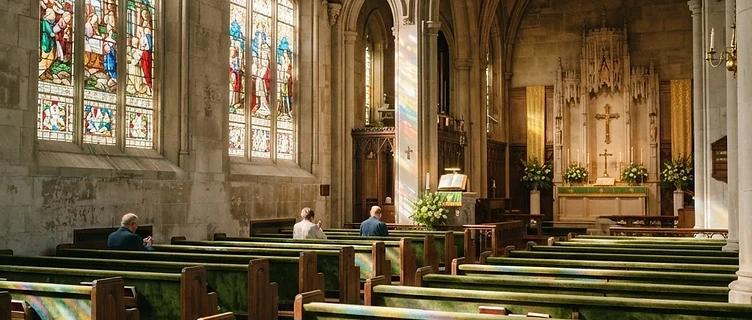
Ordinary Time (First Part)
Liturgical colour: Green
Why it matters
Ordinary Time is far from ordinary: ordered (ordinalis) around the life and teaching of Christ, it is the season of growth, of the steady 'green' life of discipleship between the great feasts.
Synopsis
After the Baptism of the Lord the Church enters the first stretch of Ordinary Time, measured in the weeks of Sundays that lead us to Ash Wednesday. The vestments are green, the colour of hope and life. The Gospels walk us through the public ministry — the calling of the disciples, the miracles, the Sermon on the Mount — forming us as daily followers of the Lord.

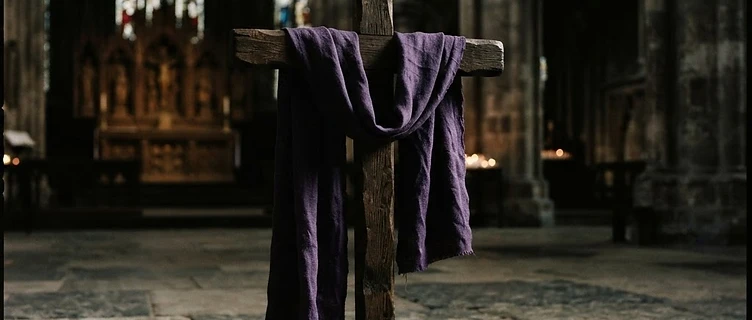
Lent
Liturgical colour: Violet
Why it matters
Lent is the Church's great retreat, a forty-day journey with Jesus into the desert. It prepares the catechumens for baptism and calls the faithful back to the grace of their own baptism through prayer, fasting and almsgiving.
Synopsis
Beginning on Ash Wednesday, Lent lasts forty days (Sundays excepted) in imitation of Christ's fast in the wilderness. Violet vestments, the absence of the Gloria and Alleluia, and bare altars mark its penitential character. We walk with the Lord through His temptations, His Transfiguration, and His foretelling of the Passion, turning from sin toward the mercy of the Father.

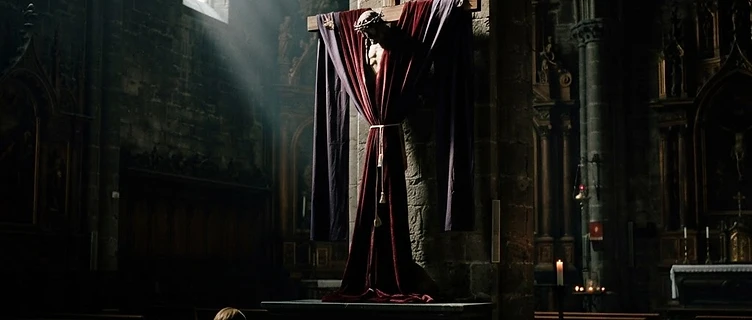
Sacred Paschal Triduum
Liturgical colour: Red, Violet & White
Why it matters
The Triduum is the heart of the whole liturgical year — three days that are truly one: the passion, death and resurrection of Christ, celebrated not as history remembered but as mystery made present.
Synopsis
The summit of the year begins on Holy Thursday evening with the Mass of the Lord's Supper — the washing of feet and the gift of the Eucharist. Good Friday hears the Passion and venerates the Cross in hushed sorrow. The great Vigil of Holy Saturday kindles the new fire, blesses the Easter water and proclaims the Resurrection, passing from death to life in a single night.

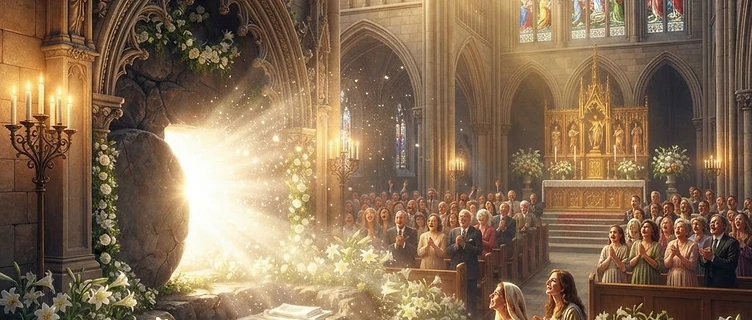
Easter
Liturgical colour: White & Gold
Why it matters
Easter is the feast of feasts, the crown of the year. Christ is risen, death is conquered, and the whole Christian life flows from this victory as light flows from a candle.
Synopsis
The Easter season is fifty days of joy — from the Resurrection through the Ascension to the descent of the Holy Spirit at Pentecost. White and gold vestments, the return of the Alleluia, and the lighted Paschal Candle proclaim that Christ is alive. We hear the Risen Lord appear in the Upper Room, on the road to Emmaus, and by the lakeside at dawn, and we await the gift of the Spirit promised by the Father.
Ordinary Time (Second Part)
Liturgical colour: Green
Why it matters
This longest stretch of the year is the season of the Church living in the Spirit — gathering Sunday after Sunday to be fed by the Word and the Bread of life, growing toward the Kingdom.
Synopsis
From the Monday after Pentecost until the First Sunday of Advent, Ordinary Time resumes its green course. The readings carry us through the parables and teachings of Jesus, culminating in the Solemnity of Christ the King — the final Sunday of the year that sets every season under the lordship of Christ and looks toward His return at the end of all time.